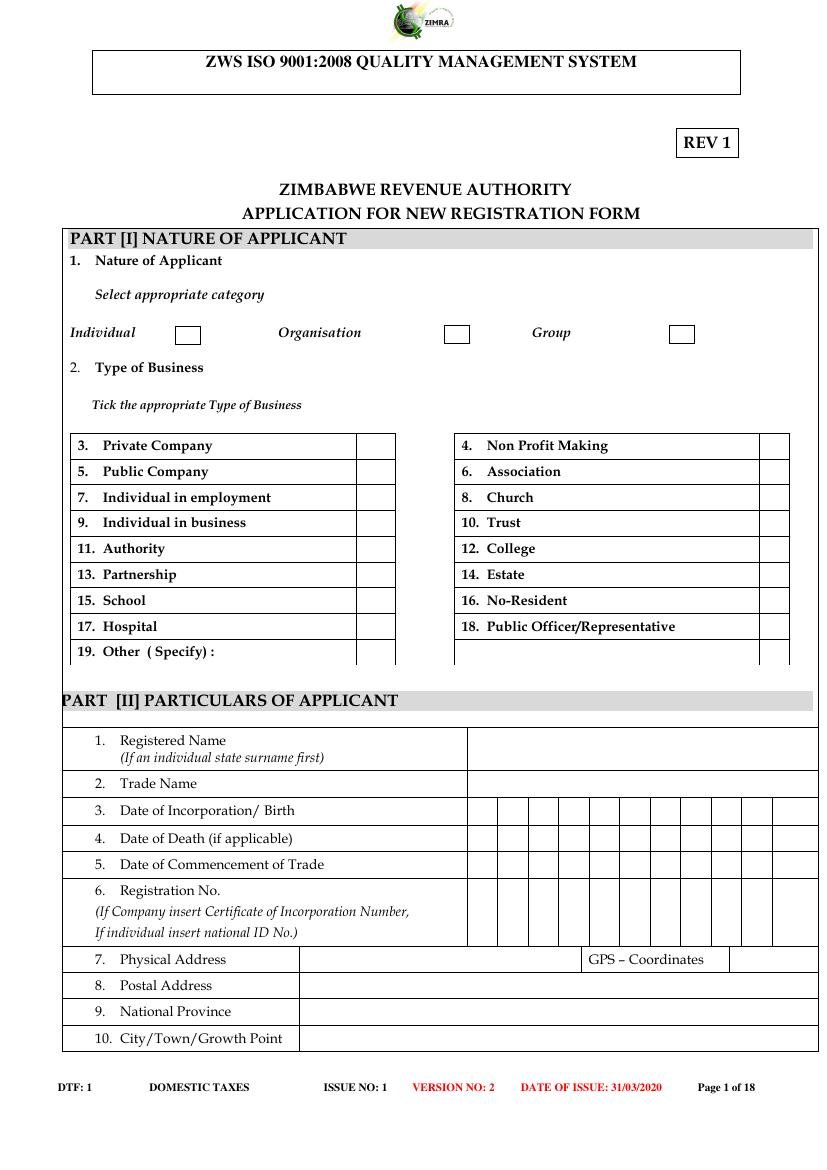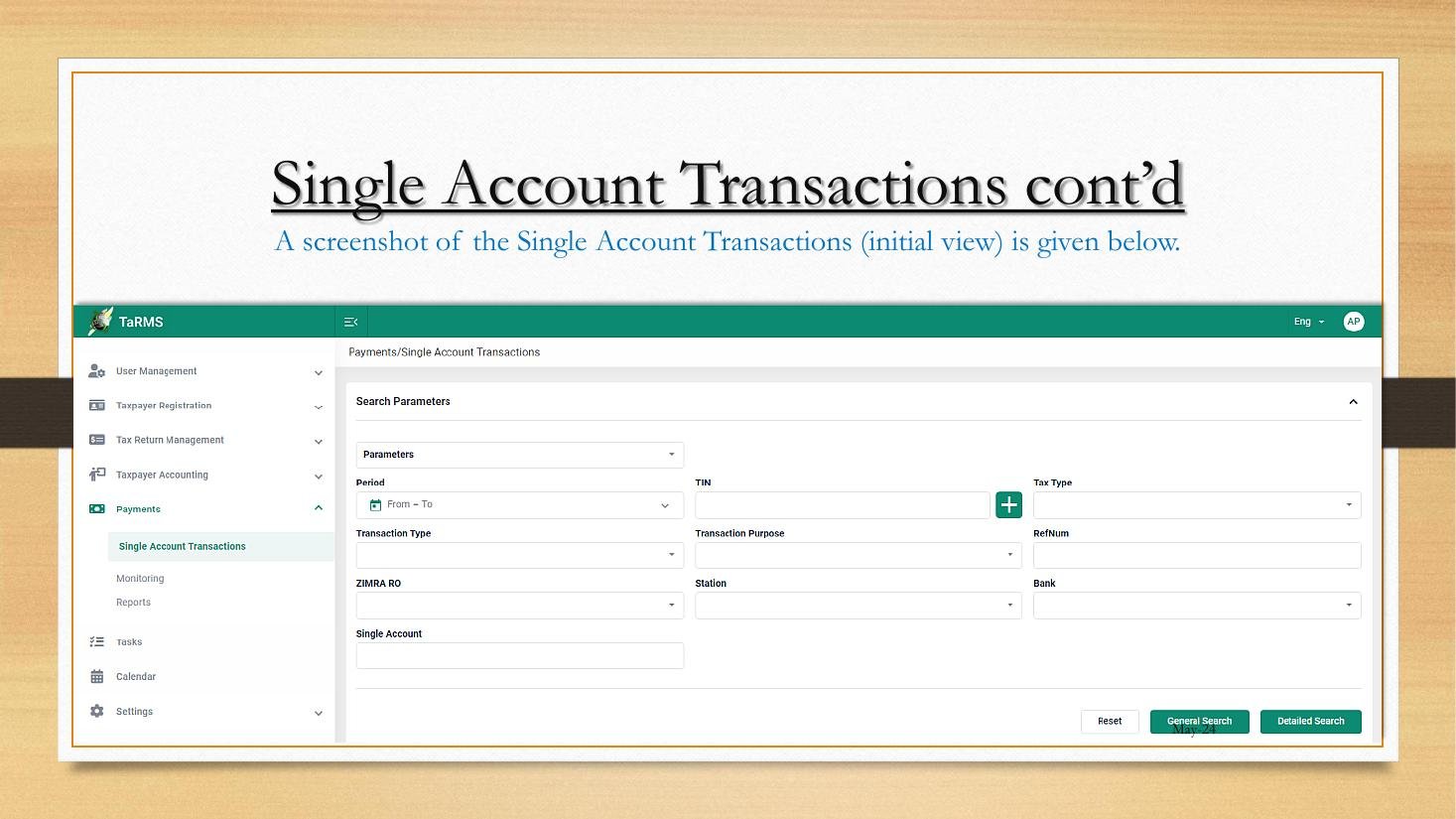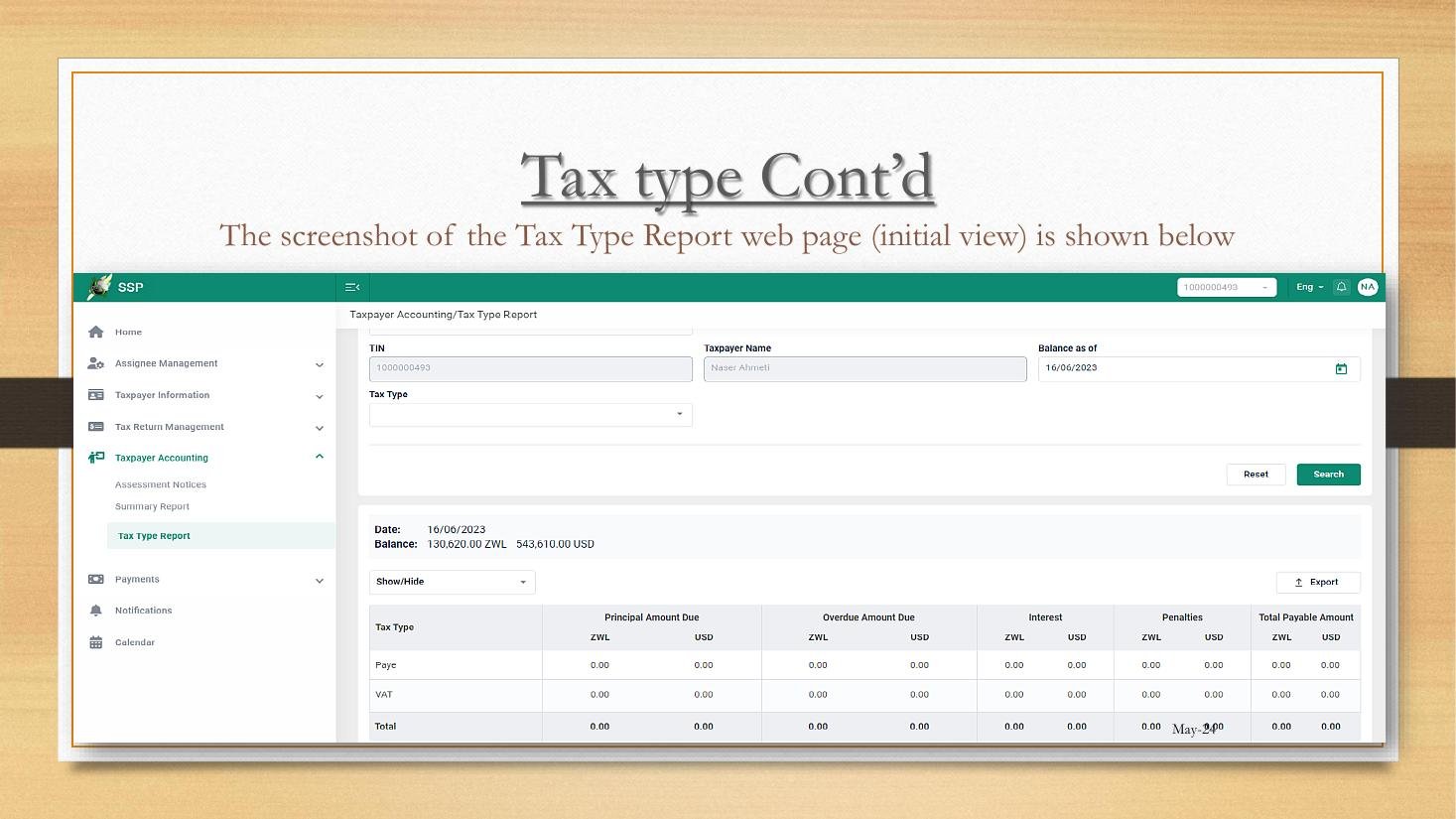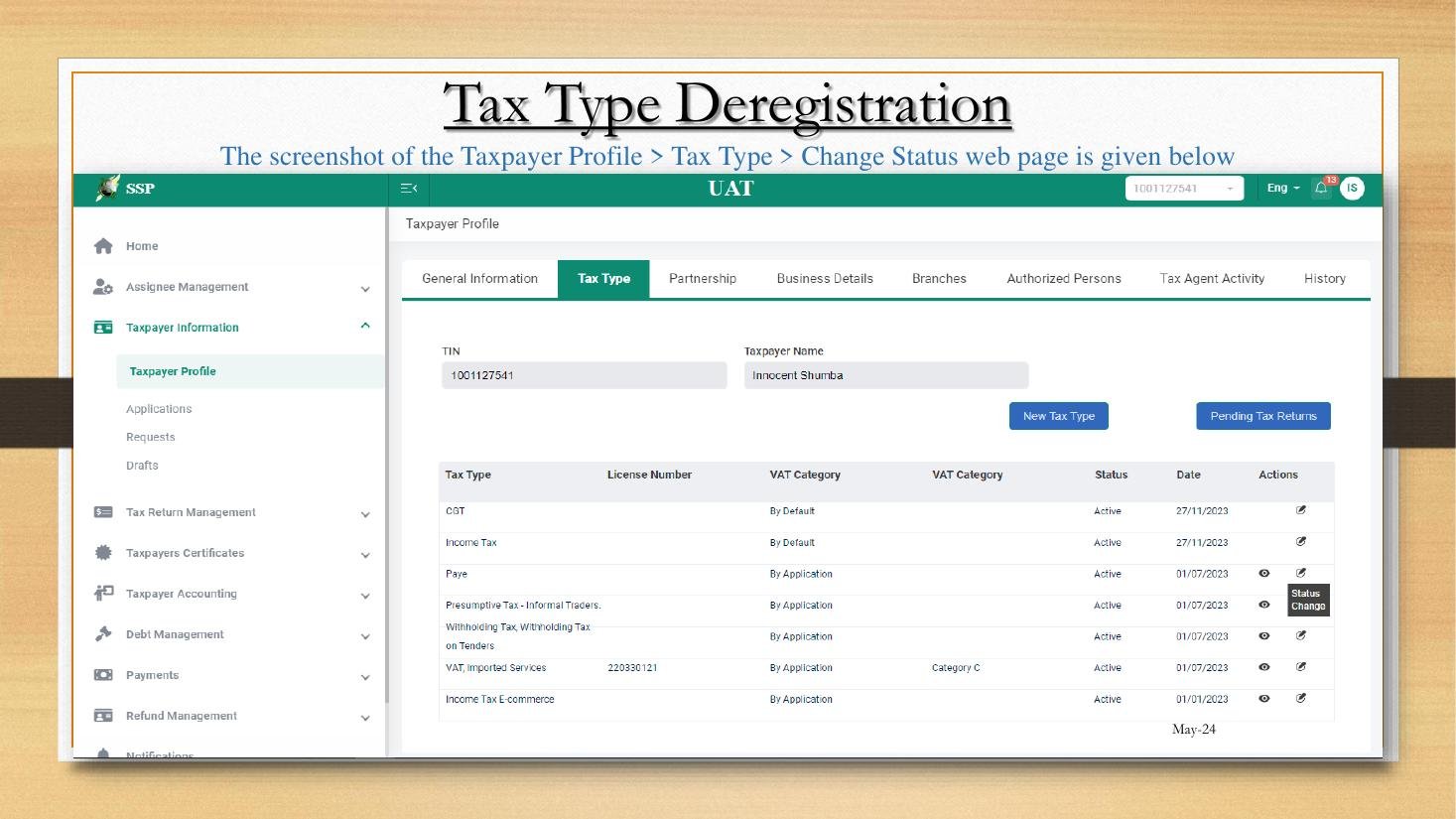

Every modern tax administration runs on three pillars: a statutory base that defines what is taxable, an operational system that converts those rules into transactions, and a taxpayer interface that lets the public interact with the system without ever walking into a ZIMRA station. In Zimbabwe, the operational system is the Tax and Revenue Management System — TaRMS, and the taxpayer interface is the Self-Service Portal — SSP, accessible at mytaxselfservice.zimra.co.zw.
This first lesson lays the foundation for the entire TaRMS Essentials programme. We will not click anything yet. Instead, we will answer four foundational questions every taxpayer and practitioner must be able to answer cold:
- What is TaRMS, and what did it replace?
- How does TaRMS relate to the SSP — are they the same system?
- By what statutory authority is electronic filing through the SSP now the prescribed channel?
- What is the architecture — TIN, taxpayer profile, tax type, return, single account — that a learner must hold in their head before any specific menu path makes sense?
By the end of this lesson the reader will have a mental model of the system that makes the next twenty-six lessons feel less like memorising clicks and more like applying a coherent framework. Without this map, learners lose orientation the moment a screenshot looks slightly different from the workshop deck. With it, they can navigate the SSP even when ZIMRA refreshes the user interface.
This is also the lesson that anchors continuity for the rest of the programme. Every subsequent lesson assumes the learner can: log into the SSP (Lesson 1.2), find the right module in the left-hand rail, switch between TINs from the top-right selector, and understand which actions are confined to a single tax type versus those that touch the whole taxpayer profile. Get this right once, and the rest of the course is execution.